How to Choose the Right BBQ Rub: A Guide to Flavor and Aromas
AA
When it comes to grilling, choosing the right BBQ rub can make all the difference. A well-selected rub enhances the natural flavors of your meat, adding depth and character to your barbecue creations. But with so many options available, how do you choose the right one?
Understanding BBQ Rubs
A BBQ rub is a blend of spices, herbs, and seasonings applied to meat before cooking. These rubs can be dry or wet and are designed to create a flavorful crust that locks in juices. The choice between dry and wet rubs depends largely on personal preference and the type of meat you're cooking.

Dry Rubs vs. Wet Rubs
Dry rubs are made from powdered spices and herbs. They're perfect for those who love a crispy bark on their meat. Wet rubs, on the other hand, incorporate liquid ingredients like oil or vinegar, making them ideal for marinating and adding moisture.
Consider the type of meat you're preparing. Pork and chicken often benefit from sweet and spicy rubs, while beef pairs well with savory and smoky flavors.
Key Ingredients in BBQ Rubs
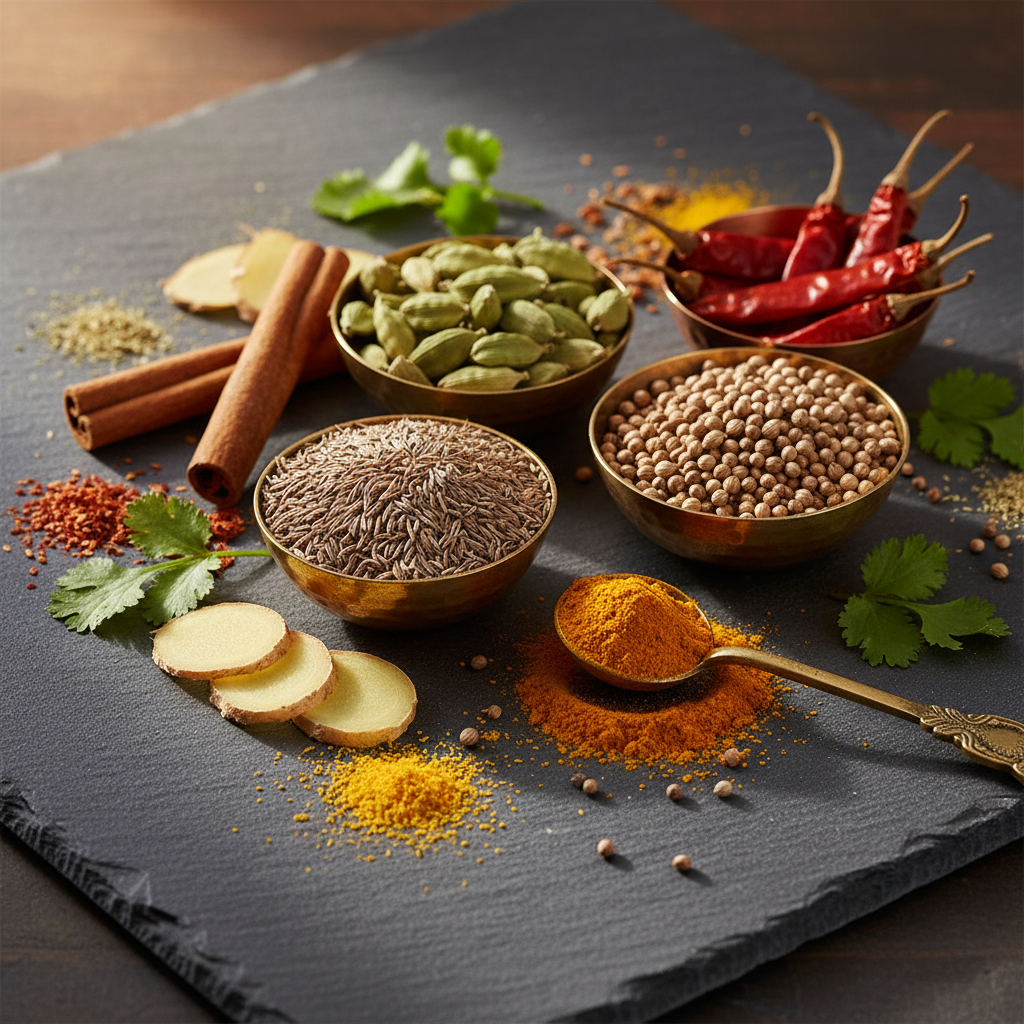
While each rub is unique, there are common ingredients you'll frequently encounter. Salt, sugar, paprika, and pepper form the base of many rubs. From there, you can build upon these flavors with garlic, onion, cayenne, and herbs like thyme or rosemary.
Balancing Sweet and Heat
One of the primary considerations in choosing a rub is balancing sweetness and heat. A sweet rub often uses brown sugar as a base, while heat can be introduced with cayenne or chili powder. Experiment with different combinations to find what suits your palate.
Regional Flavor Profiles
BBQ flavors vary significantly by region. For instance, a Texas rub may focus on bold, smoky flavors with a hint of heat, while a Carolina rub might be more vinegar-based with a tangy finish. Understanding these regional differences can guide your rub selection.

Customizing Your Own Rub
Creating your own rub allows for personalization. Start with a base of salt and sugar, and then add spices to achieve your desired flavor profile. This flexibility lets you adjust the rub to complement the specific type of meat you're grilling.
Testing and Adjusting
Once you've chosen or created a rub, it's important to test it. Apply the rub generously to the meat, and let it sit for a few hours or overnight to fully absorb the flavors. After cooking, taste and adjust the seasoning as needed for future barbecues.
Choosing the right BBQ rub involves understanding the flavors and aromas that best complement your cooking style. Whether you prefer a store-bought blend or a custom creation, the right rub can elevate your grilling game to new heights.