The Ultimate Guide to BBQ Seasonings and Rubs
AA
Introduction to BBQ Seasonings and Rubs
Summer is the perfect time to fire up the grill and savor mouthwatering barbecue. However, the secret to great BBQ is not just in the cooking technique but also in the seasoning. The right blend of spices can elevate your barbecue from ordinary to extraordinary. Whether you're a seasoned pitmaster or a backyard enthusiast, understanding BBQ seasonings and rubs is essential.

Understanding Seasonings and Rubs
BBQ seasonings and rubs are mixtures of spices and herbs that add flavor and texture to grilled meats. Seasonings are generally a blend of various spices used to enhance the flavor of the meat before or during cooking. Meanwhile, rubs are combinations of spices and sometimes sugar, applied directly to the meat's surface to create a flavorful crust as it cooks.
Both seasonings and rubs play a crucial role in BBQ by enhancing taste, adding complexity, and contributing to the dish's overall aroma. They are versatile and can be tailored to suit personal preferences or regional styles.
Basic Components of Seasonings and Rubs
Most BBQ seasonings and rubs revolve around a few key components. Here's a breakdown:
- Salt: Enhances flavor and tenderizes the meat.
- Sugar: Adds sweetness and helps create caramelization.
- Paprika: Provides color and a mild spice.
- Garlic Powder: Adds depth and a savory note.
- Onion Powder: Complements garlic for a balanced flavor.
- Black Pepper: Offers heat and complexity.
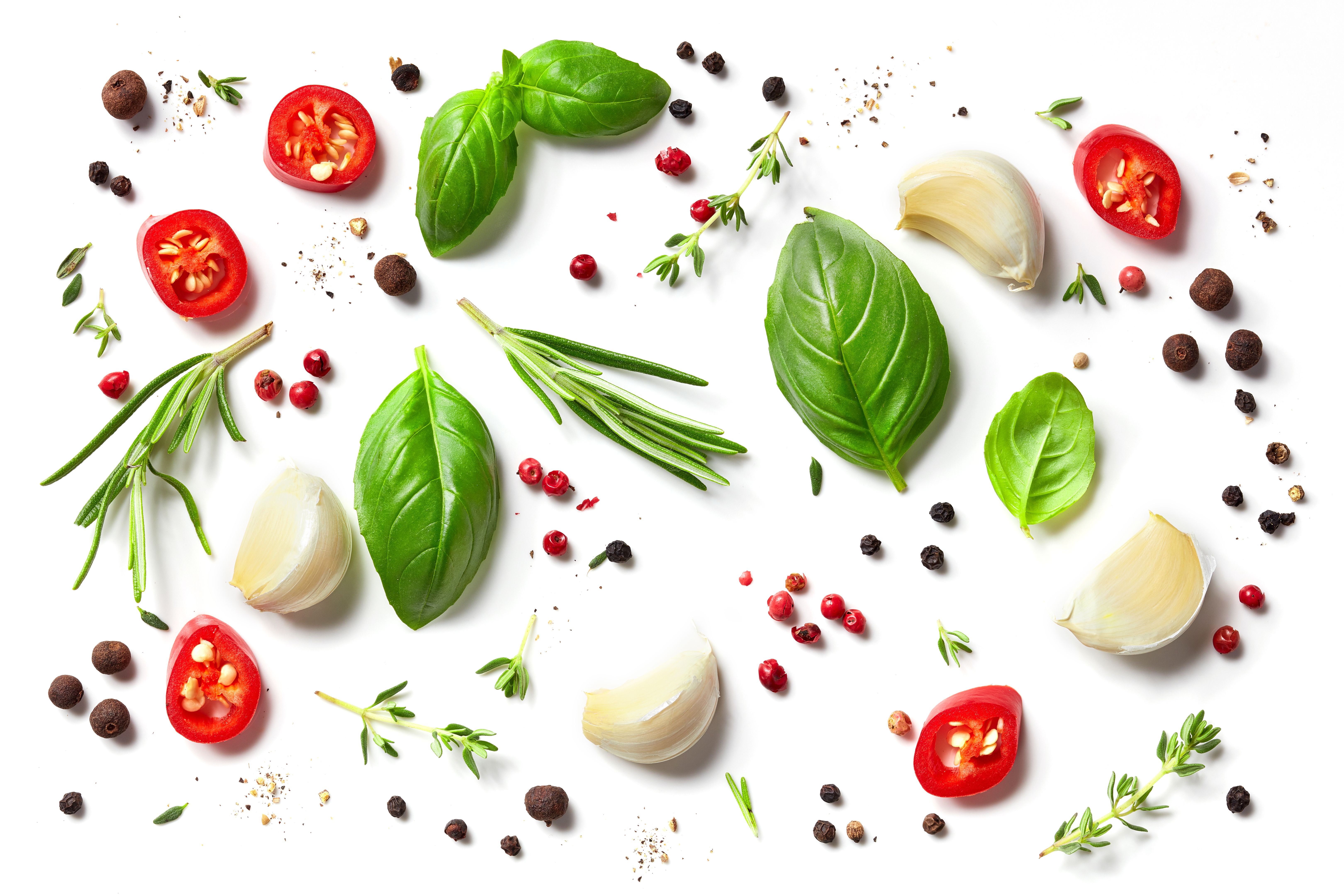
These ingredients form the base of many rubs, but you can customize them by adding other spices like cayenne, cumin, or mustard powder for additional flavor layers.
Types of BBQ Rubs
There are various types of BBQ rubs that cater to different tastes and styles. Here are three popular types:
- Sweet Rubs: These focus on sugar content, often using brown sugar to enhance the natural sweetness of the meat.
- Spicy Rubs: These include ingredients like cayenne pepper or chili powder for those who enjoy a bit of heat in their BBQ.
- Savory Rubs: These rely on herbs like thyme or rosemary to bring an earthy, aromatic profile to the dish.
Regional Variations
BBQ seasonings and rubs vary significantly across different regions, each offering a unique twist. For instance, Texas-style rubs typically emphasize black pepper and garlic, while Kansas City-style rubs often incorporate more sugar for sweetness. In contrast, Carolina-style blends might feature mustard powder for a tangy kick.
Customizing Your Own Blend
The beauty of BBQ seasonings and rubs lies in their adaptability. By experimenting with different ingredients, you can create a signature blend that reflects your taste preferences. Start with a basic recipe as a foundation, then tweak the ratios or add new spices until you achieve the desired balance.
Don't be afraid to experiment with unusual spices like smoked paprika or even coffee grounds for a unique twist. The possibilities are endless, allowing you to craft a personal masterpiece for your grilling repertoire.
Tips for Applying Seasonings and Rubs
To get the most out of your BBQ seasoning or rub, consider these application tips:
- Pat the Meat Dry: Ensure your meat is dry before applying the rub to help it adhere better.
- Apply Generously: Don't skimp on the rub; coat your meat thoroughly for maximum flavor.
- Marinate Overnight: For deeper flavor penetration, apply the rub the night before grilling.

Conclusion
Mastering BBQ seasonings and rubs is an art that can transform your grilling experience. By understanding their components, types, and regional variations, you can tailor your blends to create unforgettable flavors. So gather your spices, get creative, and let your taste buds guide you to BBQ perfection this season!